

How to Keep Your Fridge Running Smoothly
Refrigerators are available in a vast variety of shapes and sizes. They can be fitted into small spaces, such as dorm rooms.
Some models can be used with smart devices. You can also monitor your fridge remotely and fix any issues if they arise. You can also control them using voice commands.
Noise
Fridges can make many different sounds while running, some of which are more prominent than others. Before calling a refrigerator repair service, try to identify the source of any sounds you hear.
Rattling
The fridge may rumble in the event that there isn't enough space between it and the cabinet or wall or if it is positioned at an unlevel angle. It's easy to fix - all you have to do is ensure that there's at least a couple of inches of space between the sides and then adjust the legs of your fridge or leveling screws to lower or raise it in line with.
Hissing
When the compressor is cooling your food, it may make a squealing sound. This is a common sound that is caused by the refrigerant or compressor fluid that is moving through the system. If you're worried, count how often the compressor cycles and call a fridge repair service immediately if it does so more frequently than usual.
Squeaking
Fridges can be noisy when the fan or coils are dirty. If you hear a squeaking sound coming from your refrigerator, you can use the brush attachment of a vacuum cleaner along with a rag and dish soap or water along with warm water to wash the fan and coils. It is recommended to do this twice a year or more frequently when your refrigerator is old or is heavily used.
Clicking
A clicking sound can be heard from a fridge. It is usually caused by freezing around the fan of the freezer. Manual defrosting can solve the issue however it is likely to recur until a professional is brought in.
The clicking can also occur when the fridge is turned off, so make sure to switch it back on if this occurs. If you have an ice maker installed the sound could be caused by it. Make sure you turn it off when are not using ice constantly.
The hum of your refrigerator is normal, but it may be more pronounced at certain times of the day or after large stockings or intensive freezing processes. This is because the refrigerator needs to perform more efficiently and faster to keep your food cool, but it is not necessarily a sign of trouble with the fridge or its performance.
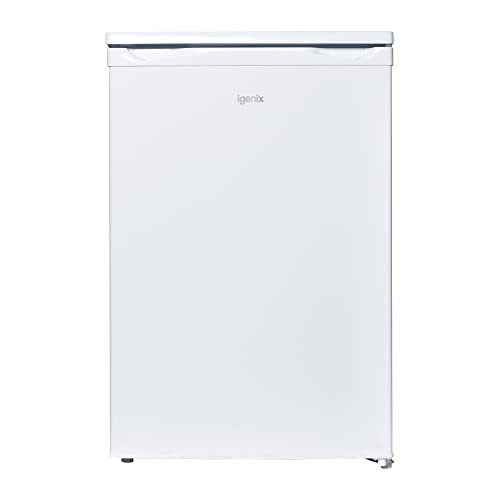
fridge sale in the house attracts dirt, bacteria and other microorganisms, as well as traces of the everyday exposure to chemicals in our homes. The tiny particles can cause allergic reactions as well as inhalation and are an ideal surface for microbes, including those that can cause an infection when they come into direct contact with an open cut.
Cleaning a refrigerator isn't easy but regular cleaning can help reduce dust and ensure the temperature at a constant level. A dirty fridge also wastes energy because it gets overheated and performs inefficiently. If your fridge is producing more noise than usual, or if you think it's working too hard it could be time to have it checked.
Dust doesn't drift into the air from outside as is commonly thought. It is made up of resuspended dirt from the house, which can be contaminated by lead or other poisonous substances. It also contains mold, pollen, and car exhaust. It also contains pollutant residues from the past, such as DDT which were banned more than half 100 years ago.
Certain compounds, like flame retardants such as decabromodiphenylether are able to volatilize and enter the air, but the majority of chemicals in dust in the house are transferred directly from one object to the next for example, by smashing fibers and small pieces of plastic off of electronic equipment. High-molecular-weight substances, such as surfactants used in cleaners and paint strippers, also migrate directly into dust.
A dusty refrigerator can negatively impact your health, not to mention contamination of food. It could harbor allergens, like pet dander and the droppings of cockroaches, which can trigger asthma and allergies in many people. It can also contain bacterial spores such as staphylococcus.
Researchers have discovered that a range of health conditions can be traced to dust pollution, ranging from cardiovascular disease to cancer to leukemia and inflammatory bowel disease. Recent research showed that the dust in the homes of children with leukemia contained higher levels of PCBs as well as PBDEs and polycyclic aromatic hydrocarbons.
Condenser Coils
When refrigerators run properly, the coils that are on the back and front of the appliance should help disperse the heat produced by the compressor. When these radiator-like components are covered in pet hair, dust or lint the compressor has to work harder trying to cool the refrigerator and wears down the appliance. That's why it's so important to clean the coils regularly.
If you're planning to do the work yourself It is recommended that you unplug the refrigerator from its outlet and turn off its power supply before beginning. This will reduce the risk that you or your family members could be electrocuted while working on the appliance. It's also recommended to wear a mask if are sensitive to dust. You will then need to locate the coils. These are typically in the rear of the fridge, or on the front, across the base in some units. If you're not sure where to locate them go through your fridge's owner manual or contact the manufacturer for more details.
Once you've located the coils, you'll have to take off the access panel, if there's one. You can then alternate between vacuuming the coils with an attachment for a narrow hose and rubbing them with a condenser brush for cleaning the coils. Be cautious not to risk breaking or twisting the coils. When finished take the kick panel off, replace it or move the fridge to its place and plug it in.
If you're not confident doing this yourself, then you could always seek out an expert. However, it's a lot cheaper and less of a hassle to simply keep up with the cleaning routine to prevent the problem from happening in the first place.
Maintenance
Refrigerators are tough-working appliances that are running all day and night to cool your food. They need regular maintenance to enable them to perform their job well. Simple preventive maintenance can keep your machines running smoothly for a long time.
One simple thing to do is to wipe down the door seals. Jelly and other foods that are sticky can accumulate and block the gaskets from sealing tightly, allowing cool air to leak through tiny gaps. Clean them off with a solution of baking soda and warm water on a sponge or toothbrush every couple of months.
The fan at the rear of the refrigerator is a different spot to check. It can be loud if it's blocked by paper, insulation or even mouse. Unplug the refrigerator and take it off all shelves and then take out any removable parts. Clean the coils as well as the area around them with an air cleaner and the hose attachment. Make sure to turn the fridge on again after you have finished.
It is recommended to check your owner's guide for information about where to locate the coils, the fan and the cleaning tools you may need. It's recommended to read the warranty carefully, to be sure you understand what is and isn't covered.